
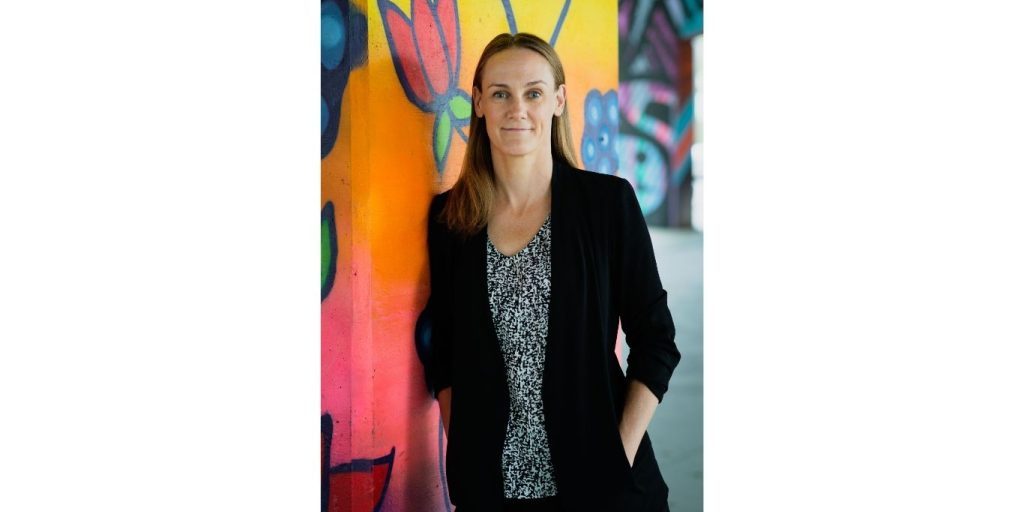
Welcoming Katherine Dittmann to the Clinic: A New Chapter in Whole-Person Physiotherapy
At the clinic, we believe healthcare works best when it is thoughtful, evidence-informed, and deeply centred on the needs of each individual patient. That is why we are very excited to welcome Katherine Dittmann, Registered Physiotherapist, to our team.
Katherine brings more than 20 years of experience working at the intersection of movement science, connective tissue health, and whole-person care. Her approach to physiotherapy expands beyond traditional rehabilitation models, integrating modern research with a deep understanding of how the nervous system, connective tissue, movement patterns, and life experience all influence health and recovery.
For patients looking for physiotherapy that considers the whole person rather than just a single injury, Katherine’s work offers a thoughtful and innovative approach.
A Physiotherapist Who Looks Beyond the Injury
Many physiotherapy treatments focus on isolated structures: a shoulder, a knee, or a back injury. While these are important, Katherine’s philosophy recognizes that pain and movement limitations rarely exist in isolation.
The body functions as a dynamic and interconnected system. Muscles, fascia, nerves, joints, and the brain constantly communicate with one another. Katherine’s clinical work explores these connections, helping patients understand how the nervous system, connective tissue, and movement habits shape how we move, heal, and adapt.
Her approach is grounded in evidence-based physiotherapy, but it also recognizes that healing often requires looking beyond the immediate symptom to understand the larger context of a person’s health, stress, movement history, and lifestyle.
Connective Tissue, Movement, and the Nervous System
A central focus of Katherine’s work is connective tissue health, an area receiving increasing attention in modern rehabilitation science. Connective tissues—such as fascia, ligaments, and tendons—play a crucial role in transmitting force through the body and maintaining resilience during movement.
When these tissues become restricted, overloaded, or poorly integrated into movement patterns, people may experience:
• persistent pain
• reduced mobility
• decreased athletic performance
• chronic tension or stiffness
Katherine’s treatment approach incorporates hands-on therapies, mobility work, and movement retraining designed to restore healthy tissue function and improve communication between the body and the nervous system.
By working with these systems together, patients often experience improvements not only in pain reduction, but also in ease of movement, strength, coordination, and confidence in their bodies.
Evidence-Based Care with a Practical Approach
Katherine is passionate about translating the latest research in movement science and rehabilitation into practical strategies that patients can use in their everyday lives.
Her sessions often combine:
• targeted hands-on physiotherapy
• guided movement and mobility exercises
• nervous system awareness and regulation
• practical strategies for returning to meaningful activities
Rather than focusing solely on passive treatment, Katherine encourages active participation in the healing process, helping patients develop a deeper understanding of their own movement patterns and capacity for recovery.
This collaborative approach allows patients to leave treatment sessions with tools they can apply at home, at work, or in their athletic pursuits.
A Whole-Person Model of Physiotherapy
Katherine’s clinical philosophy is rooted in the belief that health is influenced by many factors beyond the immediate physical injury.
Her model of care recognizes the roles of:
• the nervous system
• connective tissue and biomechanics
• movement habits and mobility
• stress and life experience
• personal goals and performance needs
By acknowledging these elements, Katherine creates individualized treatment plans that are responsive to each person’s history, body, and aspirations.
Whether someone is recovering from injury, managing persistent pain, or looking to improve performance and mobility, this approach supports long-term resilience and sustainable health.
Supporting Recovery, Performance, and Everyday Movement
Patients who work with Katherine often seek care for a wide range of concerns, including:
• chronic pain and persistent musculoskeletal issues
• mobility limitations and stiffness
• sports or movement injuries
• postural and movement dysfunction
• performance optimization
• returning to activity after injury
Her goal is always the same: to help people experience greater freedom of movement, pain-free function, and improved quality of life.
A Natural Fit for Our Clinic
Katherine’s philosophy aligns beautifully with our clinic’s commitment to patient-centred, research-informed care. Her work complements our existing focus on connective tissue health, manual therapy, and movement science.
By integrating physiotherapy into our clinic, we can now offer patients a more comprehensive approach to rehabilitation and wellness, supporting recovery from injury while also promoting long-term mobility and resilience.
Book a Physiotherapy Appointment with Katherine
We are delighted to welcome Katherine to the clinic and look forward to the knowledge, insight, and compassion she brings to our community.
If you are looking for physiotherapy that goes beyond symptom management and supports your whole-body health, movement, and performance, Katherine would be an excellent partner in your care.
Appointments with Katherine Dittmann, Registered Physiotherapist, are now available.
We invite you to book a session and experience a thoughtful, evidence-based approach to physiotherapy designed to help you move better, feel stronger, and live well.

Other articles you may like...
Visceral Massage and the Language of Pain
“Visceral Massage and the Language of Pain,” explores the relationship between pain science and manual therapy, focusing on somatic and visceral pain, mechanical stimulation, manual therapy’s role in healing, and the impact of visceral mobilization on postoperative adhesions, with the goal of enhancing evidence-informed manual therapy in clinical practice.

Gender-Affirming Post-Surgical Massage: A Safe, Supportive Path to Healing
As a massage therapist specializing in post-surgical care, I offer gender-affirming post-surgical massage to support your healing process with evidence-based, compassionate, and individualized care. Massage therapy can play a crucial role in reducing discomfort, promoting circulation, and helping you reconnect with your body after surgery.
Breast Health and Post-Mastectomy Care: The Role of Massage Therapy in Healing and Recovery
Breast health is a crucial aspect of overall well-being, particularly for those undergoing or recovering from breast cancer treatments such as mastectomy and radiotherapy. These medical interventions, while lifesaving, often result in physical and emotional challenges, including scar tissue formation, restricted movement, pain, and lymphedema. Integrative approaches, including massage therapy, can play a vital role…
Palpating Fibrosis and Easing Inflammation with Geoffrey Bove and Holly McMillan
Dr. Bove and I have been working on fibrosis and pain mechanisms for decades. His new work with Holly looks at post-radiation fibrosis, which ironically is what led us to working together. This podcast with Whitney Lowe is a fantastic listen for therapists trying to describe what they do with their hands. Check out their…

Hitting the Right Notes: How Manual Therapy Can Keep Musicians in Tune.
As a musician, your body is as much of an instrument as your guitar, violin, or piano. The hours spent perfecting your craft are invaluable, but they also come with a price—aches, pains, and in some cases, injuries that can make you feel more like a creaky old door than a star. Fear not, because manual therapy might just be the key to keeping you playing without pain, injury, or that unsettling click in your shoulder that only gets louder during a performance.
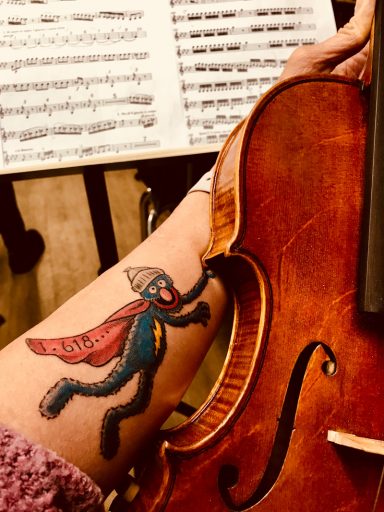
A WORKOUT FOR MUSICIANS IN PAIN
As a therapist working with musicians for over 30 years—and a musician myself—I created a workout plan for a patient struggling with playing-related pain. It quickly became clear: this routine could help many more. Focused on neural tension, compression, and overuse injuries like tendonitis, the exercises are designed to support the unique physical demands of…